Ground-Level Spaces Built for Entertaining and Relaxation
Patio Projects in Mansfield for creating usable outdoor areas without deck elevation
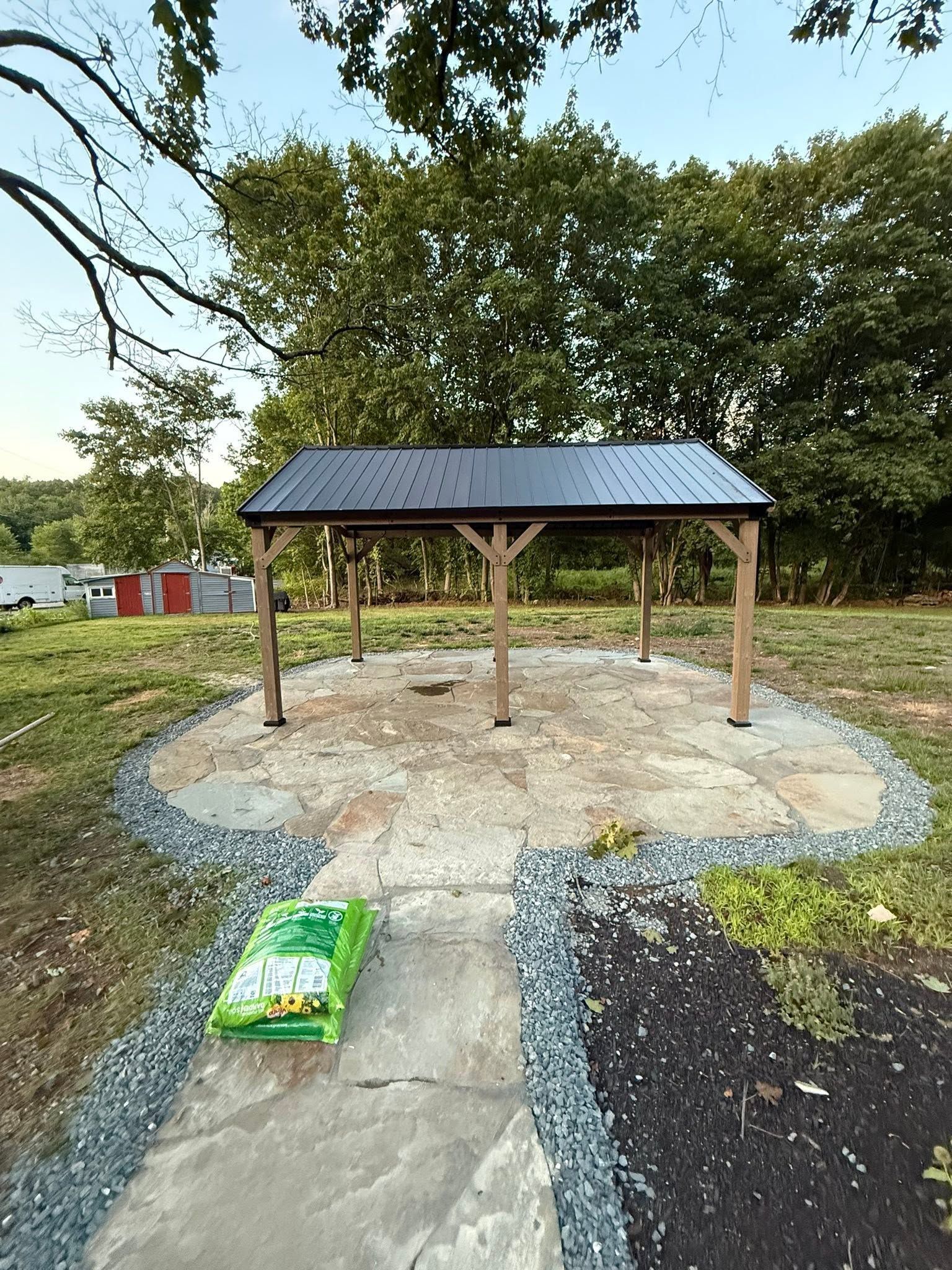
Patios extend living space outdoors at grade level, using pavers, stone, or poured concrete to create surfaces that handle foot traffic, furniture weight, and weather exposure without the structural requirements of elevated decks. These installations work in backyards where terrain is relatively flat, where homeowners want direct access to landscaping, or where building codes and setback requirements make ground-level construction more practical than elevated structures. AGC Contracting builds patios across Mansfield tailored to property drainage patterns, soil conditions, and how the space will be used once completed.
Patio construction begins with excavation to remove sod and establish grade, followed by compacted gravel base installation that prevents settling and provides drainage. Edging restraints contain the perimeter, and sand or stone dust creates a leveling layer for pavers. Poured concrete patios require forming, reinforcement placement, and finishing techniques that create texture and prevent cracking as the slab cures.
Schedule a patio consultation to evaluate your yard and discuss material options.
What Separates Durable Patio Construction From Installations That Fail
Base preparation determines whether a patio remains level over years of use or develops low spots where water pools and pavers sink. Compacted aggregate creates a stable foundation that resists frost heave, while inadequate base depth allows the surface to shift during freeze-thaw cycles. Proper grading directs water away from structures, and drainage considerations prevent runoff from eroding the base or saturating soil underneath the patio. Material choice affects how the surface looks, how much maintenance it requires, and whether it cracks or stains over time.
After installation, the patio surface stays level without developing dips or raised edges, furniture sits stable without rocking, and water drains away instead of forming puddles that breed mosquitoes or freeze into slippery patches. Pavers remain locked in place without spreading apart, concrete surfaces resist cracking through seasonal temperature changes, and the transition between patio and lawn stays defined without erosion undermining the edges. The space functions as an outdoor room where seating arrangements stay put and foot traffic doesn't create muddy paths.
Patio projects also include decisions about size and shape based on furniture layout, whether to incorporate fire pits or built-in seating, and how to integrate the patio with existing landscaping. Lighting, pergola structures, and privacy screening can be planned during construction, and material selection affects whether the patio complements the home's exterior finishes or creates intentional contrast in color and texture.
Answers to Common Patio Planning Questions
Patio design and construction involve site-specific considerations that affect material choice, layout, and long-term performance.
What site conditions affect patio construction?
Soil type, drainage patterns, existing grade, and proximity to trees all influence base preparation and material selection. Clay soils require deeper aggregate base to prevent frost heave, and sloped yards need grading adjustments to keep the patio level while directing water away from foundations.
How do pavers compare to poured concrete for patio surfaces?
Pavers allow individual replacement if damaged and provide design flexibility with patterns and colors, but they require edge restraint and periodic re-sanding of joints. Concrete offers a monolithic surface that installs faster and costs less for large areas, but cracks are more difficult to repair and color is limited compared to paver options.
What size patio is needed for typical outdoor furniture arrangements?
A dining table with six chairs requires roughly 12 by 12 feet, while seating groups with sofas and coffee tables need 14 by 16 feet or larger. Traffic paths around furniture add another three feet, and grills or fire pits require clearance that increases overall dimensions.
How does patio construction in Mansfield account for freeze-thaw cycles?
Base aggregate extends below frost depth to prevent heaving, and proper compaction ensures the base doesn't shift as ground freezes and thaws. Drainage keeps water from pooling and freezing within the base, which reduces stress on the patio surface during winter.
What maintenance do patios require over time?
Paver patios need occasional joint sand replenishment and edge realignment if restraints shift, while concrete patios benefit from sealing every few years to resist staining and surface wear. Both surfaces require cleaning to remove organic growth and debris that accumulates in textured finishes.
AGC Contracting completes patio projects for homeowners in Mansfield who want functional outdoor living areas built to last. Call (774) 266-8225 to begin planning your patio design and review site-specific requirements.