Drainage That Stops Foundation Water Problems
Gutter Installation & Replacement in Mansfield for homes with basement seepage and eroded landscaping
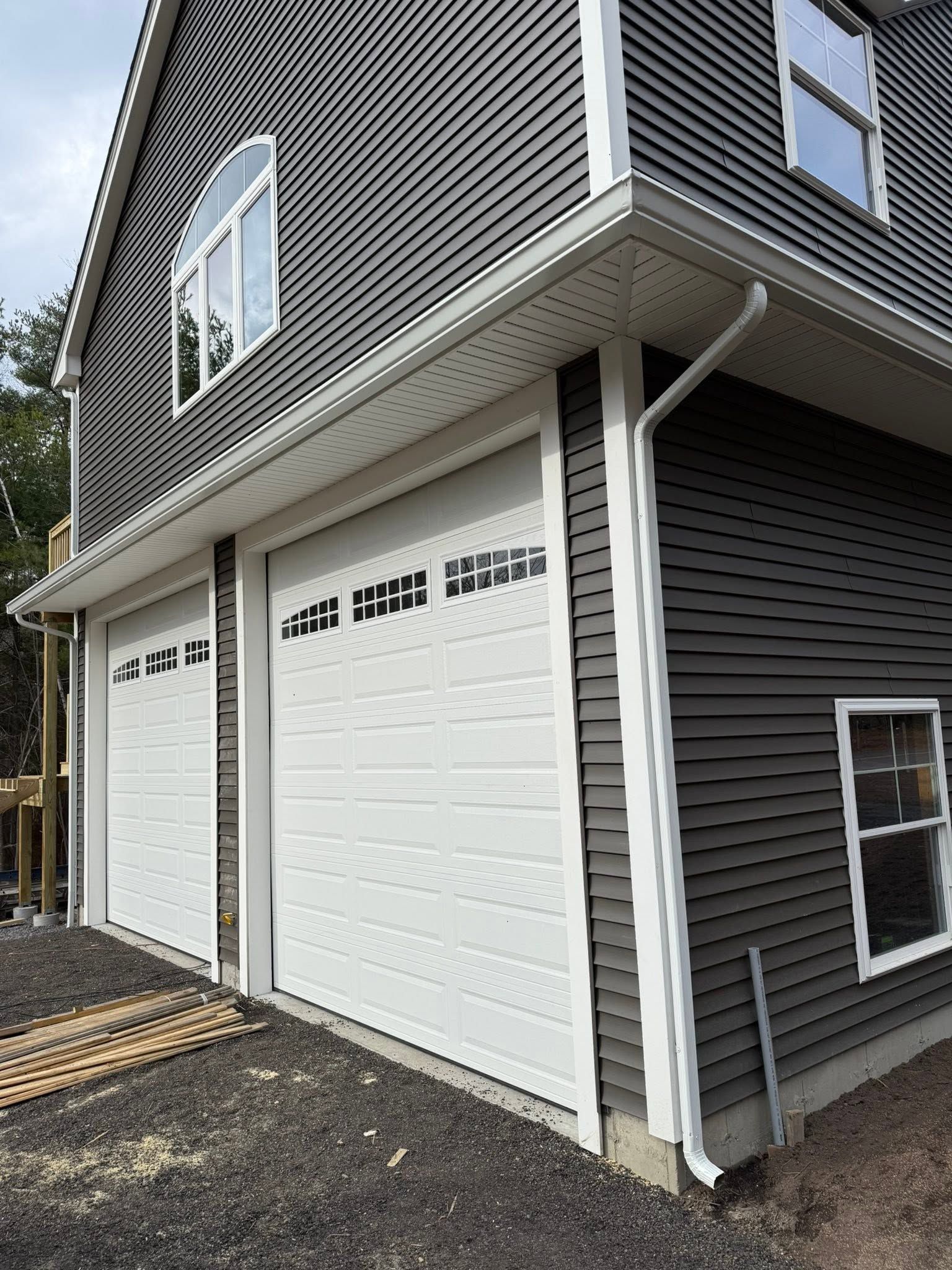
Gutters that sag, separate at seams, or overflow during rainstorms allow water to pour directly against foundations, saturate soil around basement walls, and wash away mulch and topsoil. These conditions show up as damp basements, settling concrete, and channels eroded into landscaping below rooflines. AGC Contracting installs gutter systems throughout Mansfield sized to handle roof area and rainfall intensity, with downspouts positioned to move water away from structures rather than concentrating it at corners and entry points.
Installation involves removing old gutters and brackets, inspecting fascia for rot, then mounting new hangers at intervals that prevent sagging under snow and ice load. Gutter sections are joined with sealed seams, pitched toward downspouts to prevent standing water, and fitted with end caps and outlets. Downspouts extend to discharge points where water flows away from foundations, and extensions or underground piping redirect runoff when necessary.
Schedule a gutter evaluation to assess drainage capacity and replacement needs.
How Proper Gutter Sizing Prevents Water Damage
Gutter capacity depends on roof area, pitch, and valley configuration. Undersized gutters overflow during heavy rain even when clean, while incorrectly pitched sections hold standing water that breeds mosquitoes and accelerates corrosion. Hangers spaced too far apart allow gutters to sag under the weight of wet leaves and snow, creating low spots where water pools instead of flowing toward downspouts. Proper installation accounts for these variables and uses materials that resist rust and UV degradation over decades of weather exposure.
After replacement, rainwater stays contained within gutters and flows through downspouts without spilling over edges or leaking at seams. Basement walls stay dry because water no longer saturates the soil around foundations, landscaping mulch remains in place instead of washing into yard areas, and concrete stoops and walkways stop settling as soil underneath stabilizes. The difference becomes obvious during the first significant rainstorm when water channels away from the house rather than pouring off eaves.
Gutter systems also include considerations for leaf protection, winter ice buildup, and maintenance accessibility. Homes surrounded by trees benefit from gutter guards that block debris while allowing water to enter, and systems installed in Mansfield must handle ice expansion without separating from fascia boards during freeze-thaw cycles common throughout winter months.
What Homeowners Want to Know About Gutters
Gutter installation and replacement raises questions about sizing, materials, and how systems perform under local weather conditions.
What size gutters are needed for residential roofs?
Most homes use five-inch gutters, but larger roofs, steep pitches, or concentrated valleys may require six-inch gutters to handle peak flow during heavy rain. Downspout size and quantity also affect capacity.
How are gutters attached to prevent sagging?
Hidden hangers or brackets mount to fascia boards every two feet, distributing weight and preventing the gutter profile from warping. Proper attachment allows gutters to hold water, wet leaves, and snow without pulling away from the roofline.
What causes gutters to overflow even when they appear clean?
Insufficient pitch, undersized downspouts, or sections installed level all cause water to back up and spill over gutter edges. Overflow also occurs when downspouts clog below the visible gutter line or when roof valleys concentrate more water than the gutter section can handle.
How do freeze-thaw cycles in Mansfield affect gutter performance?
Water trapped in gutters freezes overnight, expands, and stresses seams and hangers. Proper pitch prevents standing water, and durable materials resist cracking when ice forms. Gutter systems must remain secure even when weighted with ice during extended cold periods.
Where should downspouts discharge to protect foundations?
Downspouts need to direct water at least six feet away from foundations, either through extensions, splash blocks, or underground drainage pipes. Water discharged too close saturates soil and increases hydrostatic pressure against basement walls.
AGC Contracting installs and replaces gutters for properties in Mansfield where drainage improvements are needed. Call (774) 266-8225 to arrange an inspection and discuss system sizing for your home.